
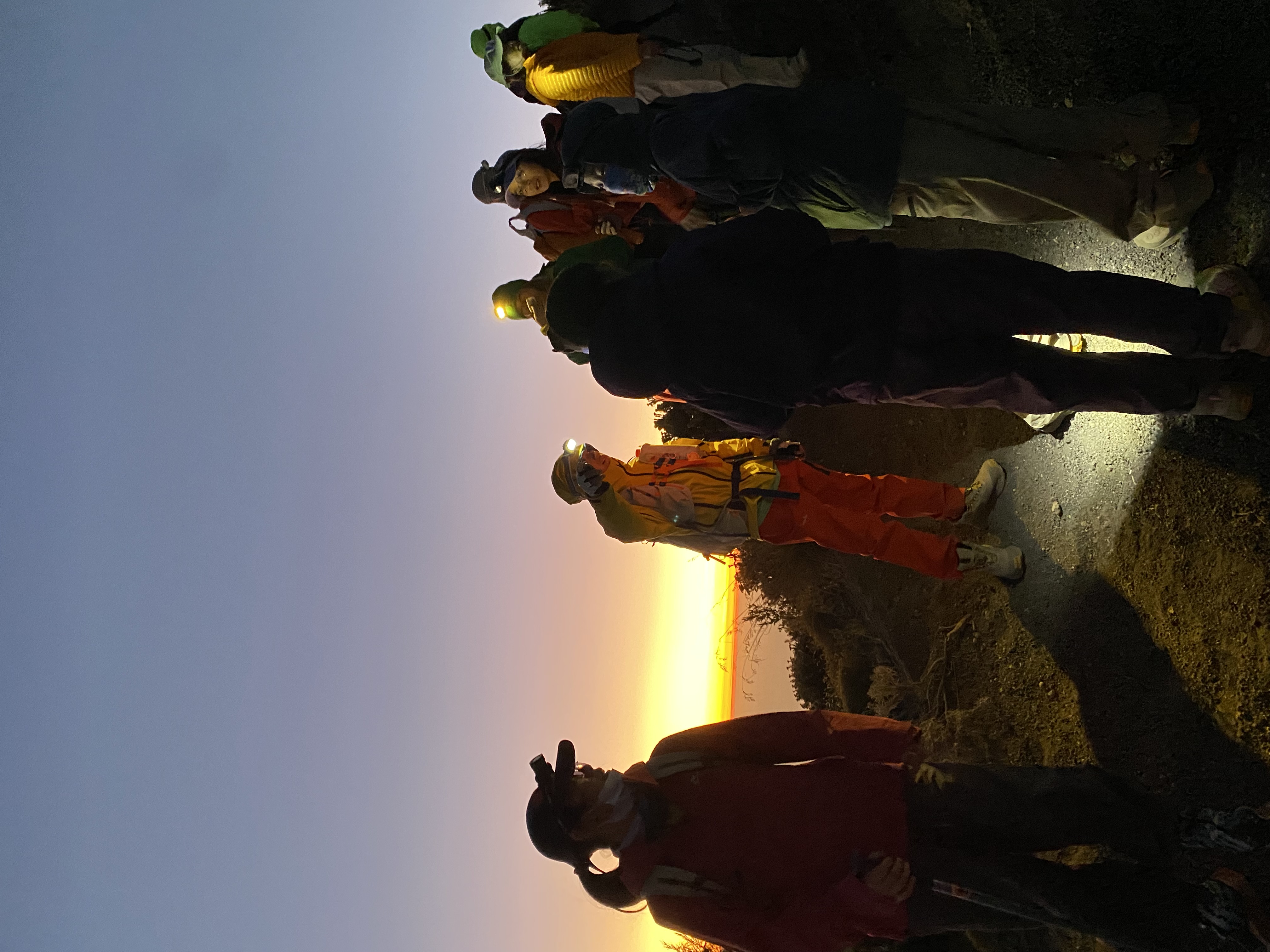
Planning to climb Mount Rinjani Summit in Lombok, Indonesia? Reaching the 3,726-meter summit is an unforgettable experience, but good preparation is essential.
The Rinjani summit trek involves steep terrain, long trekking hours, cold temperatures, loose volcanic sand, and an early-morning summit climb. Whether you are an experienced hiker or climbing Rinjani for the first time, preparing properly will make your trek safer and more comfortable.
At Rinjani Trekker, we are a local trekking operator based in Senaru. Our local guides and porters have extensive experience helping trekkers safely explore Mount Rinjani.
This guide explains what you should prepare before climbing Mount Rinjani Summit, what to pack, what fitness level you need, and what you can expect during the trek.
Mount Rinjani Summit at a Glance
Mount Rinjani is one of Indonesia’s most famous volcanoes and the second-highest volcano in the country.
- Location: Lombok, West Nusa Tenggara, Indonesia
- Summit elevation: 3,726 meters above sea level
- Main summit trekking route: Sembalun
- Typical summit itinerary: 2D1N or 3D2N
- Summit start: Usually around 2:00–3:00 AM from camp
- Terrain: Grassland, forest, rocky slopes and volcanic sand
- Summit temperature: Can feel very cold, especially before sunrise
The final climb to the summit is particularly challenging because of the steep volcanic sand and rocks. Every step can feel slow, so mental preparation is just as important as physical fitness.
1. Prepare Your Physical Fitness
You do not need to be a professional mountaineer to climb Mount Rinjani, but you should prepare your body before the trek.
The trek requires several hours of continuous walking, climbing and descending. The summit section is especially demanding.
Recommended preparation
Ideally, start preparing several weeks before your Rinjani trek.
Good activities include:
- Long-distance walking
- Hiking on hills or mountains
- Stair climbing
- Squats and lunges
- Strength training for your legs
- Cardio exercises
- Walking with a backpack
If you live somewhere without mountains, stairs are a useful way to train your legs and cardiovascular endurance.
Try gradually increasing your walking distance rather than doing one extremely difficult workout immediately before your trip.
Don’t forget recovery
Rest is part of preparation.
Avoid exhausting yourself with heavy training immediately before your Rinjani trek. Arriving in Lombok rested and hydrated is more useful than arriving exhausted from last-minute training.
2. Choose the Right Rinjani Trekking Package
Before booking, decide how much time you want to spend on Mount Rinjani.
For trekkers who want to reach the summit, common options include:
2 Days 1 Night
The 2D1N summit trek is a shorter and more demanding option.
You normally travel to the trekking area on Day 0, start trekking the following day, camp overnight, and attempt the summit early the next morning.
This option is suitable for trekkers who have limited time and are prepared for a physically demanding schedule.
3 Days 2 Nights
A 3D2N trek gives you more time to enjoy Mount Rinjani.
Depending on the selected itinerary, you can experience areas such as:
- Rinjani Summit
- Crater area
- Segara Anak Lake
- Hot springs
- Senaru or Torean route
The additional time can make the experience less rushed and allows you to enjoy more of the mountain.
3. Bring the Right Trekking Shoes
Good footwear is one of the most important things to prepare for Mount Rinjani.
Choose hiking shoes or trekking boots with:
- Good grip
- Comfortable fit
- Good ankle support
- A sole suitable for rocky and uneven terrain
Avoid wearing brand-new shoes for the first time on Rinjani. Wear them beforehand so your feet can adjust.
The summit contains loose volcanic sand and rocks, so shoes with good traction are particularly important.
4. Prepare Warm Clothing
Although Lombok can be hot during the day, temperatures on Mount Rinjani can become very cold at night and before sunrise.
For the summit attempt, prepare:
- Warm jacket
- Long pants
- Warm socks
- Gloves
- Hat or beanie
- Long-sleeve base layer
- Rain jacket or waterproof layer
The wind at high altitude can make the temperature feel much colder than expected.
Do not underestimate the cold simply because Lombok has a tropical climate.
5. Use Trekking Poles
Trekking poles can be very useful on Mount Rinjani.
They can help with:
- Steep climbs
- Descents
- Loose volcanic sand
- Rocky terrain
- Reducing pressure on your knees
Especially during the descent from the summit, trekking poles can provide additional balance and stability.
At Rinjani Trekker, trekking poles can be available for trekkers depending on the package and equipment arrangement. Ask our team before your trek if you need one.
6. Prepare Your Headlamp
A headlamp is essential for the summit climb.
The summit trek normally starts during the night so that trekkers can reach the summit around sunrise.
A headlamp allows you to:
- See the trail
- Keep your hands free
- Follow your guide safely
- Navigate rocky sections
- Carry your trekking poles more easily
Bring spare batteries or make sure your rechargeable headlamp is fully charged.
A phone flashlight can be used as an emergency backup, but a proper headlamp is much more practical.
7. Bring Enough Water
Hydration is extremely important during the Rinjani trek.
Your body loses water through sweating, especially during the daytime climb.
Drink regularly rather than waiting until you become very thirsty.
Your trekking team will arrange drinking water according to the trekking package and itinerary, but you should still carry water with you during the trek.
A reusable water bottle or hydration bladder is recommended.
8. Prepare Snacks and Energy Food
The summit climb requires energy.
Some useful trekking snacks include:
- Chocolate
- Energy bars
- Dates
- Dried fruit
- Biscuits
- Candy
- Electrolyte drinks
Small snacks are easier to eat while walking than large meals.
Our trekking packages include meals and snacks prepared by our trekking team, but you are welcome to bring personal snacks that you enjoy.
If you have food allergies or dietary requirements, inform us before your trek.
9. Bring a Small Backpack
You do not need to carry everything yourself.
For organized Rinjani trekking, porters can carry camping equipment, food and other supplies depending on your package.
For your personal daypack, keep only the items you need during the day.
A small backpack can contain:
- Water
- Snacks
- Jacket
- Raincoat
- Camera/phone
- Power bank
- Sunscreen
- Personal medication
- Headlamp
- Gloves
- Small personal items
Avoid carrying unnecessary heavy items.
10. Protect Yourself From the Sun
The higher you climb, the stronger the sun can feel.
Prepare:
- Sunscreen
- Sunglasses
- Hat
- Lip balm
- Long-sleeve clothing
Apply sunscreen before starting the trek and reapply when necessary.
Even when the temperature feels comfortable, UV exposure can be strong at higher elevations.
11. Prepare for Rain and Changing Weather
Mountain weather can change quickly.
Even if the weather forecast looks good, it is wise to carry basic rain protection.
Bring:
- Rain jacket
- Waterproof backpack cover
- Waterproof bag for electronics
- Dry clothes
- Plastic or waterproof bags for important belongings
Keeping your passport, phone, wallet and other important items dry is especially important.
12. Prepare Mentally for the Summit
Physical fitness is only part of the challenge.
The final summit section can be mentally demanding.
You may take several steps forward and feel as though you have barely moved because the volcanic sand slides beneath your feet.
This is normal.
The best approach is to:
- Walk slowly
- Maintain a steady rhythm
- Follow your guide
- Take short breaks
- Drink regularly
- Focus on one section at a time
You do not need to race to the summit.
The goal is to reach the summit safely.
13. Follow Your Local Guide
A professional local guide is an important part of a Rinjani trek.
Your guide knows the terrain, route conditions and trekking procedures and can help you manage your pace.
If you feel exhausted, dizzy, unwell or unable to continue, tell your guide immediately.
Do not hide physical problems because you want to reach the summit.
Your safety should always come first.
14. Get Enough Sleep Before Summit Day
The summit climb starts very early in the morning.
For this reason, try to rest as much as possible before the summit attempt.
Do not spend the entire evening using your phone or staying awake unnecessarily.
Prepare your clothes, headlamp and personal belongings before sleeping so you can start quickly when your guide wakes you.
15. Don’t Pack Too Much
One of the most common mistakes first-time trekkers make is bringing too many things.
You will appreciate a lighter backpack, especially during steep sections.
Prioritize:
Essential
- Trekking shoes
- Warm jacket
- Gloves
- Headlamp
- Water
- Personal medication
- Sunscreen
- Rain protection
- Comfortable trekking clothes
Useful
- Trekking poles
- Sunglasses
- Power bank
- Camera
- Small personal snacks
Leave unnecessary heavy items at your accommodation whenever possible.
Rinjani Summit Packing Checklist
Before leaving for Mount Rinjani, use this checklist:
Clothing
☐ Trekking shirt
☐ Trekking pants
☐ Warm jacket
☐ Long-sleeve layer
☐ Gloves
☐ Warm socks
☐ Hat/beanie
☐ Rain jacket
Equipment
☐ Trekking shoes
☐ Small backpack
☐ Headlamp
☐ Trekking poles
☐ Water bottle/hydration bladder
☐ Power bank
☐ Waterproof bag
Personal items
☐ Passport
☐ Personal medication
☐ Sunscreen
☐ Sunglasses
☐ Toiletries
☐ Personal snacks
☐ Camera/phone
What Rinjani Trekker Provides
When you trek with Rinjani Trekker, our team can arrange the main trekking requirements so you do not have to carry everything yourself.
Depending on your selected package, our trekking service includes arrangements such as:
- Licensed local guide
- Porters
- Mount Rinjani entrance/permit
- Camping tent
- Mattress
- Sleeping bag
- Pillow
- Toilet tent
- Cooking equipment
- Meals during the trek
- Snacks, fruit and hot drinks
- Drinking water
- Pre-trek accommodation in the Senaru area
- Trekking transportation according to the package
- Trekking briefing
Optional equipment such as trekking poles, jackets, gloves and headlamps may also be available. Please ask us in advance so we can prepare them for you.
Why Trek With Rinjani Trekker?
Rinjani Trekker is a local trekking operator based in Senaru, Lombok.
Our team has been involved in Mount Rinjani trekking since 2015. We understand that every trekker has different experience levels and physical conditions.
Our priority is to provide a trekking experience that focuses on:
Safety • Comfort • Experienced Local Team • Responsible Trekking
We believe trekking is not about rushing to the summit.
It is about enjoying the journey, respecting the mountain and returning safely.
Ready to Climb Mount Rinjani Summit?
If you are planning to climb Mount Rinjani, preparing properly before your arrival in Lombok will make a big difference.
Train your legs, choose suitable trekking shoes, prepare warm clothing, bring a headlamp, stay hydrated and most importantly, listen to your local guide during the trek.
If you are not sure which Rinjani trekking package is suitable for you, contact Rinjani Trekker and tell us:
- Your preferred trekking date
- Number of trekkers
- Your preferred duration
- Your trekking experience
- Your preferred route
Our local team can help you choose an itinerary based on your time and trekking experience.
Rinjani Trekker – Your Local Rinjani Trekking Partner in Lombok
Sell the service, not the mountain.
0 Comments